
The Ultimate Guide to Massage Therapy: Benefits, Techniques and What to Expect
Violeta Puebla
31 August 2025 · 9 min read
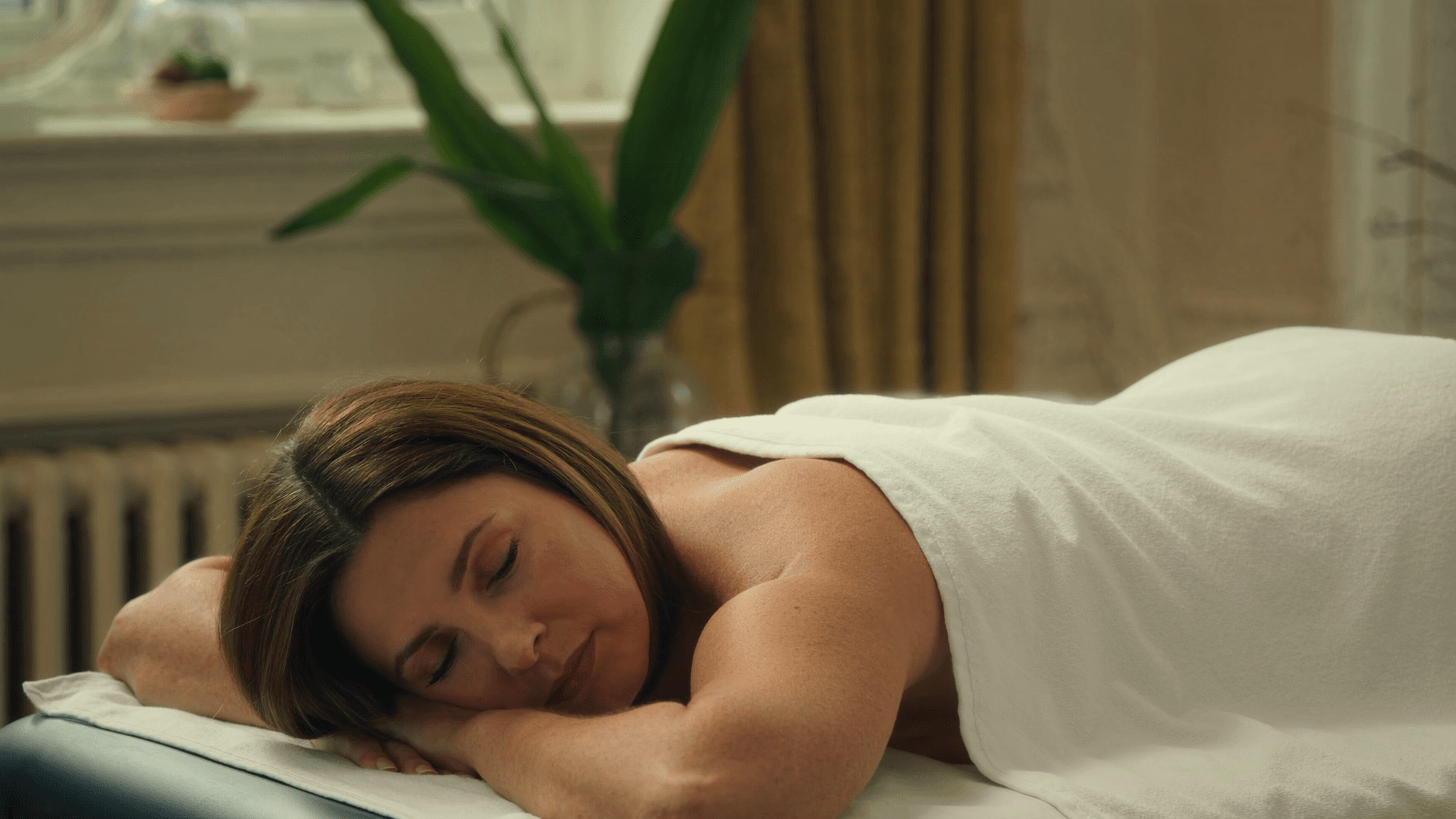
Most people book their first massage because something has been quietly nagging at them: shoulders that sit up around the ears, a lower back that grumbles by mid-afternoon, or a mind that will not switch off at bedtime. If any of that sounds familiar, this guide to massage therapy is written for you. It walks through what massage actually is, the benefits people tend to notice, what happens in a real session, and how to look after yourself afterwards.
Massage therapy is one of the oldest and simplest forms of self-care there is: skilled, structured touch applied to the muscles and soft tissue to help you feel better in your body. It is not a cure for anything, and it does not need to be. What it does well is help you unwind held tension, slow a busy nervous system, and give you an hour that is genuinely yours.
This is the broad, everything-you-need-to-know pillar. If you already know you want to compare specific styles, there is a companion piece on the best types of massage therapy for relaxation and pain relief that goes deeper on choosing between them.
What massage therapy actually is
At its heart, massage therapy is the skilled manipulation of the body's soft tissues: muscles, tendons and the connective tissue that wraps around them. A trained practitioner uses their hands, forearms and thumbs to apply pressure, glide, knead and stretch, working with the grain of your muscles rather than against it.
People have been doing this for thousands of years, across ancient Egypt, China, India and Greece, long before anyone measured why it helps. The version most of us picture today, with long flowing strokes and oil, grew out of the techniques codified in nineteenth-century Europe that we now call Swedish massage. That style remains the foundation most other approaches build on.
It helps to be honest about what massage is and is not. It is a complementary wellbeing practice, not a medical treatment, and it sits alongside good self-care rather than replacing it. If you have persistent or worsening pain, an injury, or a diagnosed condition, the right first step is your GP or a physiotherapist. Within those sensible limits, a regular massage is one of the gentlest and most reliable ways to ease everyday tension.
The benefits people actually notice
Ask ten people what they get from massage and you will hear ten slightly different answers. Broadly, the benefits fall into three groups.
Easing physical tension
This is the one most people come for. When a muscle has been held tight for days, whether from a desk, a steering wheel, or carrying stress in your shoulders, skilled pressure helps it release. Many people find their range of movement feels freer afterwards, that a stiff neck turns more easily, or that a tight lower back feels less guarded. Massage may support the body's natural circulation as it works, which is part of why the area can feel warmer and looser once the session ends.
For stubborn, specific knots, more targeted work can help. Trigger point therapy focuses on those tight, tender spots that refer pain elsewhere, and there is a fuller explanation in our guide to trigger point therapy as a way to relieve pain and improve wellbeing.
Calming a busy mind
Massage is as much for the nervous system as the muscles. Slow, rhythmic, predictable touch tends to nudge the body out of its alert, wound-up state and into something calmer. People often describe the after-effect as a kind of soft, settled tiredness: the same feeling you get after a long walk in fresh air. If stress is the reason you are reading this, that shift is often the most valuable part.
Sleeping and feeling more like yourself
Because massage helps you unwind, many people notice they sleep more easily on the evening of a treatment, or that the days afterwards feel a little less frayed. None of this is a medical claim; it is simply what a body does when you give it an hour of calm, attentive care. Small resets like this, repeated now and then, are how a lot of people keep everyday tension from piling up.
Common types of massage, briefly
There is no single "best" massage, only the one that suits what you need on a given day. A short tour of the main styles:
- Swedish massage uses long, flowing strokes and kneading at a light to medium pressure. It is the classic relaxation massage, and the most popular choice for unwinding.
- Facial massage works the small muscles of the face, jaw and scalp line, easing the tension many of us clench there without noticing.
- Head massage focuses on the scalp, neck and shoulders, and is a favourite for people who carry stress high up or find it hard to switch off.
- Deeper, targeted work applies firmer, more focused pressure to specific areas of held tension, and is better suited to a particular stubborn spot than to whole-body relaxation.
If you would like a proper side-by-side comparison to help you choose, the companion article on the best types of massage therapy for relaxation and pain relief sets them out in more detail. It is also worth knowing that massage sits within a wider family of hands-on wellbeing treatments; reflexology, which works through points on the feet, and reiki, a gentle energy-based practice, are close relatives many people enjoy alongside it.
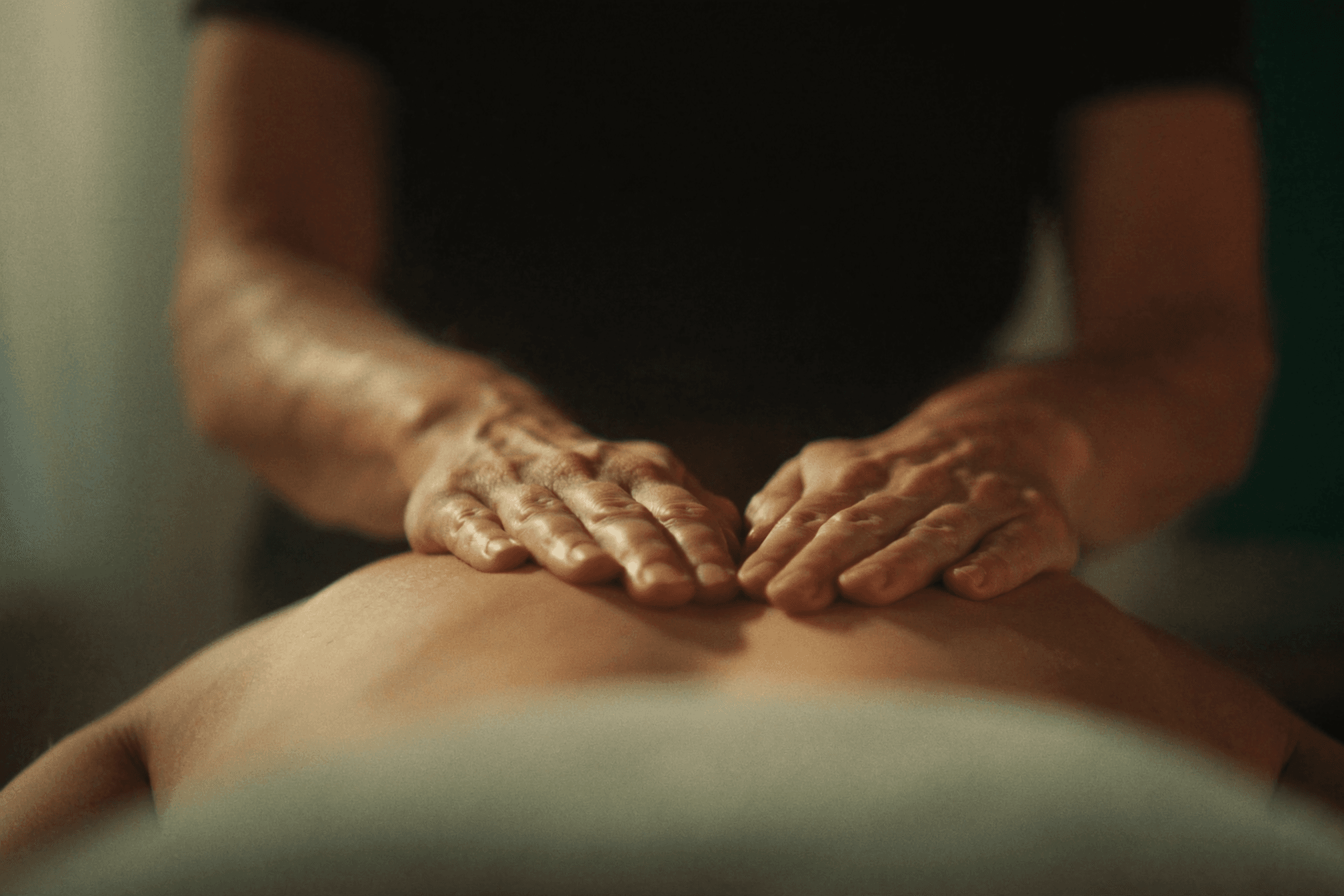
Slow, rhythmic touch helps ease tension and calm a busy nervous system.
What happens during a massage at A Touch of Wellness
If you have never had a professional massage, not knowing the routine can be the biggest barrier. Here is what a session actually looks like at A Touch of Wellness, the solo clinic on the High Street in Portishead.
It begins with a short, unhurried chat. Violeta, the founder and clinician, will ask what has brought you in, where you feel tension, any areas to avoid, and whether you would prefer a lighter or firmer pressure. This is the moment to mention anything relevant, including if you are pregnant or managing a health condition, so the treatment can be shaped around you.
You will then have privacy to undress to your comfort and settle on the couch, under a towel or blanket. You only ever uncover the area being worked on, and you stay covered the whole time. Using a little oil or balm, the massage moves through the muscles at the pressure you agreed, and you are always welcome to ask for more or less as it goes. Some people like to talk; most drift quietly and let their mind wander. Either is completely fine.
Because this is a one-to-one clinic rather than a busy spa, the whole experience is calm and personal, in the same warm, private room used for treatments such as reflexology and trigger point therapy. If you would like to see the options and how long each treatment runs before you book, everything is set out on the pricing page, and you can read how other clients found it on the reviews page.
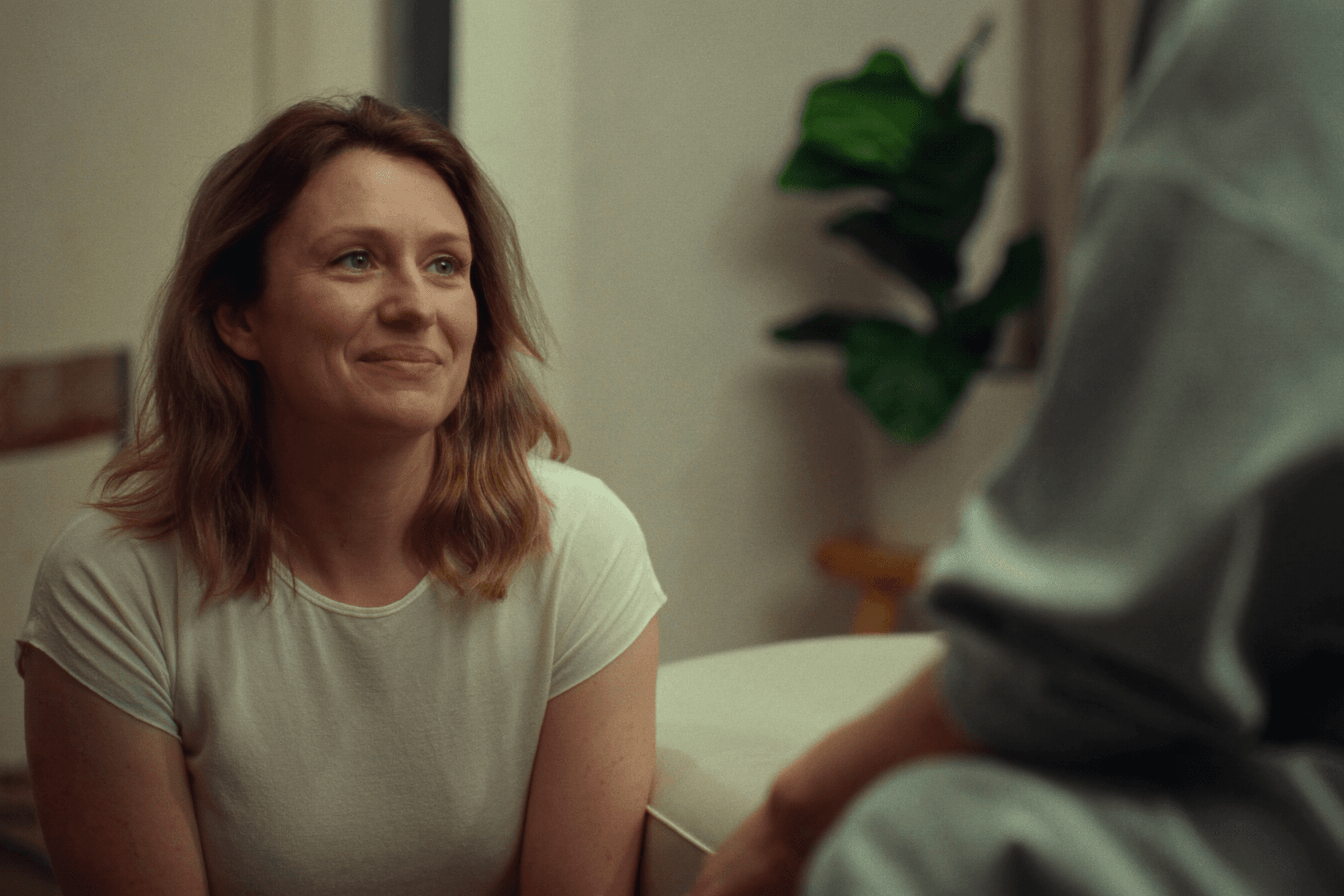
Every session begins with a short chat about what you need and your preferred pressure.
Aftercare: getting the most from your treatment
What you do in the hours after a massage matters more than most people expect. A few simple habits help the benefits last.
Drink a glass of water and take things gently for the rest of the day if you can. It is normal to feel a little tender the day after deeper work, in the same way you might after exercise; this usually eases within a day or two. A warm bath and an early night tend to help. Move gently rather than launching straight into a heavy workout, and give your body a chance to enjoy the looser, calmer state you have just created. If any soreness feels sharp, unusual, or lingers longer than a couple of days, check in with your GP to be safe.
Frequently asked questions
What is massage therapy?
Massage therapy is the skilled manipulation of the body's soft tissues, mainly the muscles and connective tissue, using pressure, gliding and kneading. A trained practitioner works by hand to help release held tension and encourage relaxation. It is a complementary wellbeing practice rather than a medical treatment.
What are the benefits of massage?
Most people notice eased muscle tension, a freer range of movement, and a calmer, more settled state of mind. Massage may support the body's natural circulation and often helps people unwind after a stressful stretch. These are wellbeing benefits, not medical cures, and they tend to build with regular treatments.
What happens during a massage?
Your session starts with a short chat about what you need and your preferred pressure. You then settle on the couch under a towel, staying covered except for the area being worked on, while the practitioner massages your muscles with a little oil. You can ask for more or less pressure at any point, and many people simply relax quietly throughout.
How often should you get a massage?
There is no fixed rule; it depends on your goals and how your body feels. Some people book a massage monthly to keep everyday tension in check, while others come now and then when they feel wound up or stiff. A regular rhythm tends to be more useful than a one-off, and you can find the pattern that suits you over time.
Is massage good for stress?
Many people find massage one of the most effective ways to unwind, because slow, rhythmic touch helps the body ease out of its alert, wound-up state. It will not remove the source of stress, but it can give your nervous system a genuine chance to settle. That calm, rested feeling afterwards is often the main reason people return.
What should I do after a massage?
Drink some water, take it easy for the rest of the day, and let your body enjoy feeling looser. Mild tenderness the next day is normal after deeper work and usually settles within a day or two. Avoid heavy exercise straight afterwards, and speak to your GP if any soreness feels sharp or lasts longer than expected.
Ready to book?
Massage therapy is simple at heart: an hour of skilled, attentive care that helps you unwind tension and feel more like yourself. Whether you are after gentle relaxation or focused work on a stubborn spot, the treatment is shaped entirely around you.
When you feel ready, you can book a massage online in a couple of minutes and come and see us at the clinic in Portishead.
Get the latest news straight to your inbox
Subscribe to our newsletter to get the latest news and offers.