
Foot Reflexology Benefits: How a Reflexology Massage Helps You Relax
Violeta Puebla
31 August 2025 · 8 min read
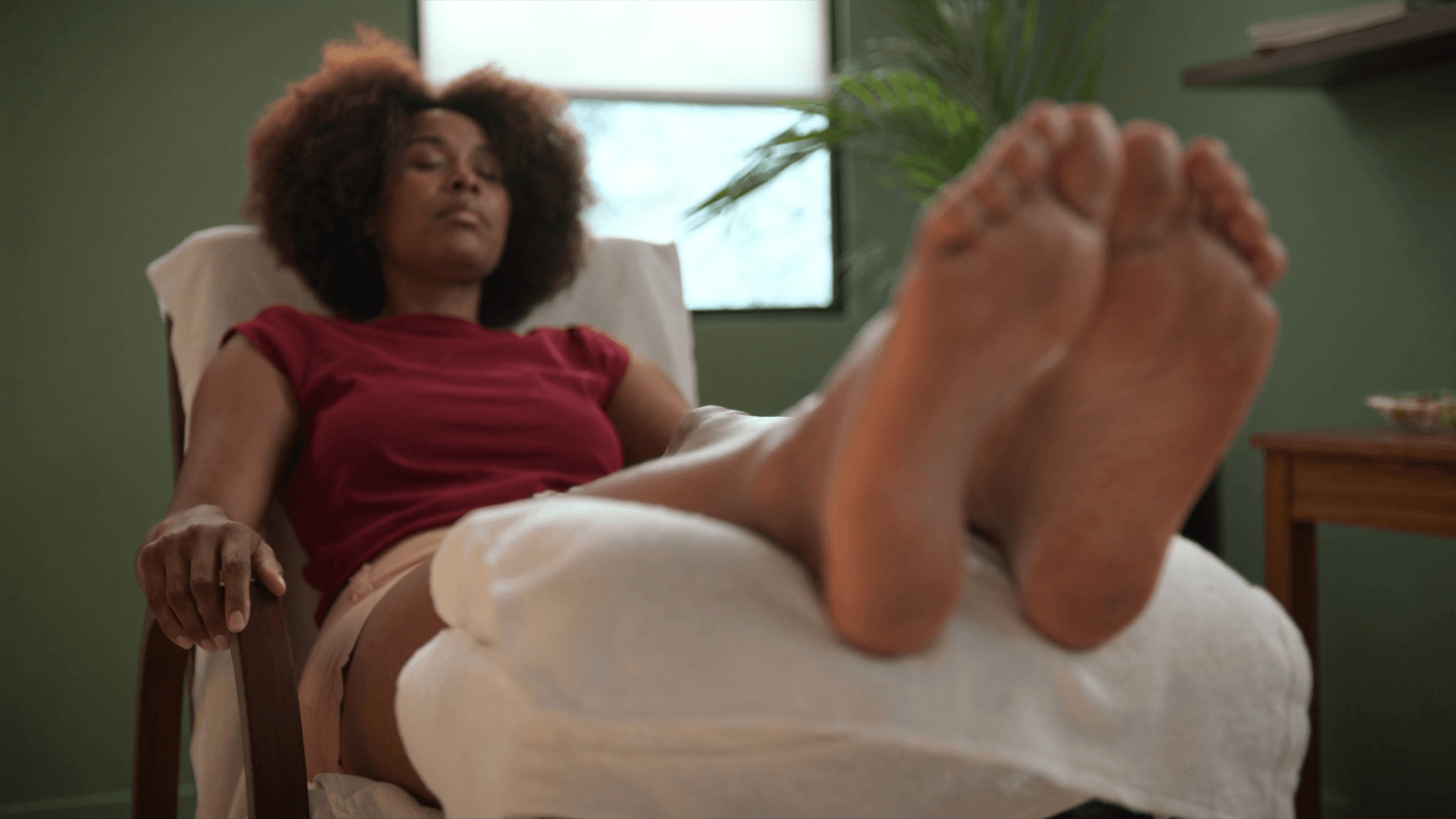
Most of us carry the day in our feet. You stand, walk, rush between things, and by the evening there's a dull ache that follows you to the sofa and, often, into a restless night. If you've been looking for a gentle, hands-off-the-rest-of-you way to slow down, foot reflexology benefits are worth understanding properly — not as a miracle cure, but as an hour of genuine calm that many people come to rely on.
Reflexology is a complementary therapy that involves applying steady, comfortable pressure to specific points on the feet. It's deeply relaxing, it asks almost nothing of you, and you stay fully clothed apart from your shoes and socks. That accessibility is a big part of why a reflexology massage suits people who find a full-body treatment a step too far.
This guide keeps things honest. We'll walk through what reflexology is, what people commonly find helpful about it, what actually happens in a session, and how to know whether it's right for you.
What is foot reflexology?
Foot reflexology is a therapy in which a practitioner uses their thumbs and fingers to apply pressure to particular areas of the feet. It's rooted in the idea that different zones of the foot correspond to different parts of the body, and that working these zones encourages a sense of overall balance and relaxation.
It's important to be clear about what that means. Reflexology is a relaxing, complementary therapy — not a medical treatment, and not a substitute for care from your GP. The traditional "maps" of the foot are a framework practitioners work within; the reliable, widely reported effect is that a good session leaves you feeling calmer, lighter and more rested. That is reason enough to try it.
Unlike a Swedish or deep tissue massage, reflexology stays focused on the feet (and sometimes the lower legs, hands or ears). There's no oil worked across your back, no undressing, no awkwardness. You sit or lie back, and the practitioner does the rest.
What people commonly find helpful about reflexology
Ask people why they keep coming back for reflexology and you'll hear the same themes. None of these are medical guarantees — everyone responds differently — but they're the experiences that come up again and again.
A deep sense of relaxation
This is the one nearly everybody mentions. The steady, rhythmic pressure on the feet is quietly hypnotic. Many people find their shoulders drop, their breathing slows, and the mental chatter of the day settles. If your nervous system spends most of its time in "go" mode, an hour that gently invites it into "rest" mode can feel like a reset.
Relief from tired, achy feet
If you're on your feet all day — nursing, teaching, retail, parenting — your feet take a genuine battering. Attentive pressure and movement across the soles and arches can leave them feeling looser and more comfortable. It's a simple, physical pleasure that's easy to underrate until you've felt it.
Easier, better-quality sleep
A recurring theme is that people sleep well the night after a treatment. It makes sense: when you're calmer and less wound up, sleep tends to come more easily. Reflexology won't fix a clinical sleep disorder, but as part of a wind-down routine, many find it helps them switch off.
A feeling of being looked after
There's real value in an hour where nothing is asked of you. No screens, no decisions, no demands. For a lot of people, that dedicated space to simply be still is where the benefit lives — and it's something a busy home life rarely offers.
A gentle entry point into treatment
Reflexology is often the first therapy people try when they're curious but cautious. Because you stay clothed and only your feet are involved, it feels safe and unintimidating. From there, some go on to explore a full-body Swedish or relaxation massage or the quiet stillness of Reiki once they've found their feet, so to speak.
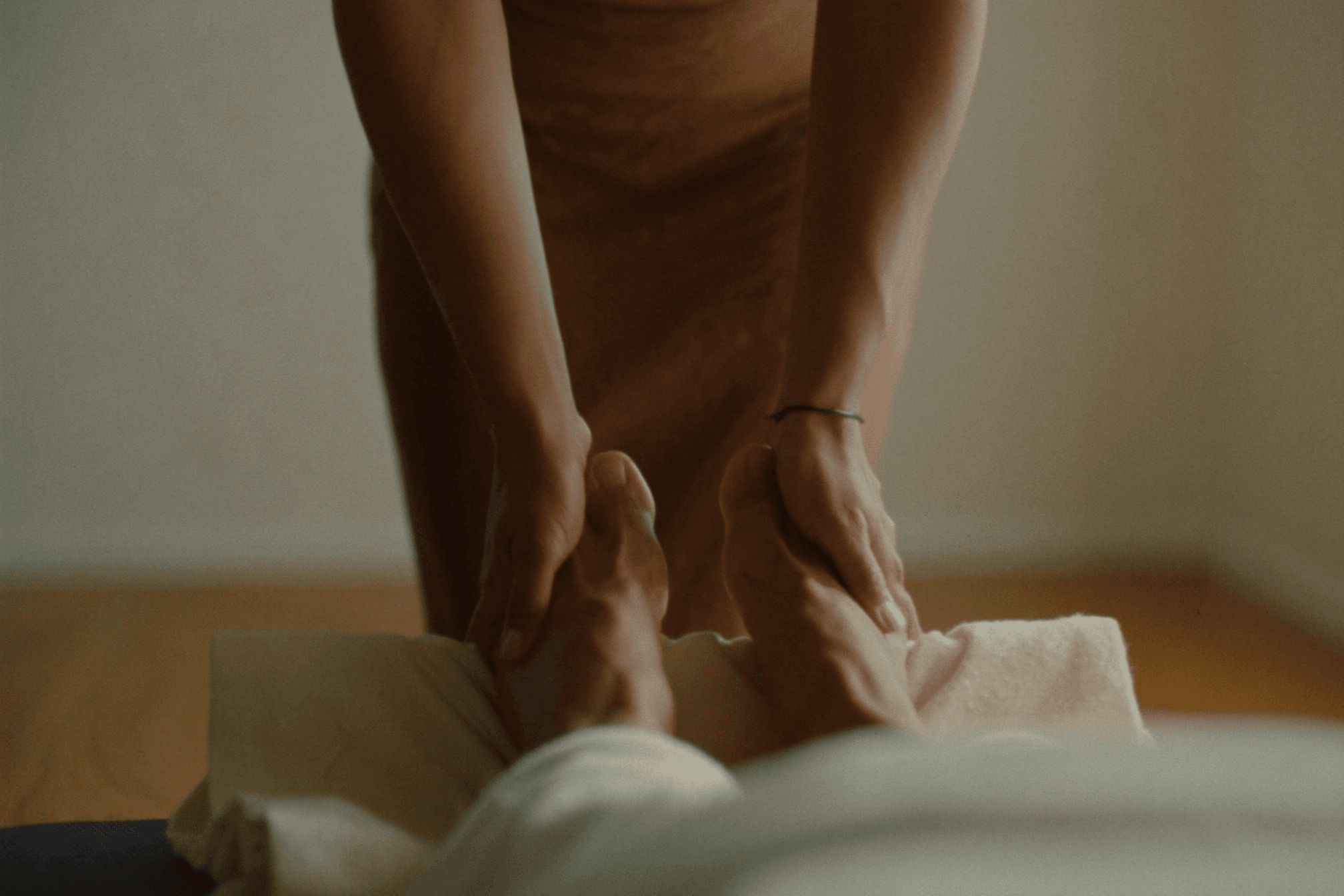
Reflexology stays focused on the feet, so you stay comfortable and fully clothed.
What reflexology will not do
Being honest about the limits is part of doing this well. You may have read bold claims online — that reflexology detoxes your organs, boosts your immune system, or treats specific conditions. We don't make those claims, and you should be cautious of anyone who does.
Reflexology is a relaxation therapy. It does not diagnose, treat, cure or prevent any medical condition, and it isn't a replacement for medical care. If you have a health concern, please see your GP. If you're pregnant, have a foot injury, circulation problems, or any ongoing condition, mention it when you book so your session can be adapted — and check with your doctor first if you're unsure.
What reflexology can offer is something more modest and more reliable: time, calm, and comfortable feet. For many people, that's exactly what they were missing.
What to expect at A Touch of Wellness
At A Touch of Wellness in Portishead, reflexology is offered in a quiet, in-clinic setting on the High Street — a calm room designed to help you unwind from the moment you arrive. Here's how a session usually unfolds.
Before we begin, Violeta will have a brief chat with you about how you're feeling, whether you have any specific areas of tension, and anything relevant in your health history. This isn't a medical consultation — it's simply so the treatment can be tailored and kept comfortable.
During the treatment, you'll settle back, fully clothed apart from your shoes and socks. You might close your eyes; plenty of people drift close to sleep. The pressure is firm enough to feel purposeful but never sharp — if anything feels too much, you just say, and it's eased off. Most of the session is quiet, unhurried and led by your comfort.
Afterwards, most people feel relaxed and a little slowed-down, in the best way. It's worth having a glass of water and not rushing straight back into a hectic afternoon if you can help it.
If you're weighing reflexology against other treatments, our guide to the best types of massage therapy for relaxation and pain relief is a good place to compare, and the ultimate guide to massage therapy benefits and techniques goes deeper into what each style involves. For current session lengths and costs, see our pricing page, and you can read what other clients have said on our reviews page.
Frequently asked questions
What is foot reflexology?
Foot reflexology is a complementary therapy in which a practitioner applies steady, comfortable pressure to specific points on the feet. It's based on the idea that areas of the foot relate to the wider body, and it's used primarily to encourage relaxation. You stay fully clothed apart from removing your shoes and socks.
What does reflexology do, and how does it work?
The most consistent, widely reported effect of reflexology is relaxation — a calmer nervous system, slower breathing, and a general sense of unwinding. Practitioners work to traditional foot "maps," but the dependable benefit people experience is feeling rested and settled. It's best understood as a soothing therapy rather than a medical treatment.
Is reflexology good for you?
Many people find reflexology a genuinely helpful way to relax, ease tired feet and wind down before sleep. It's gentle and non-invasive, which makes it suitable for a wide range of people. That said, it isn't a substitute for medical care — if you have a health condition, are pregnant, or have any concerns, speak to your GP and mention them when you book.
Does reflexology hurt?
It shouldn't. The pressure is firm and purposeful but stays within your comfort — most people find it pleasant, even soothing. Some points can feel more sensitive than others, and if anything is ever too much, you simply say so and it's eased off straight away. The session is always led by how you feel.
How will I feel after reflexology?
Most people feel deeply relaxed, a little slower and calmer, and sometimes pleasantly sleepy. Some notice they sleep better that night. Occasionally people feel a bit thirsty or lightly tired afterwards, which passes — so it's worth drinking some water and giving yourself a gentle rest of the day where possible.
How often should you have reflexology?
There's no fixed rule. Some people book a session when they need to unwind or reset; others enjoy a regular treatment, perhaps monthly, as ongoing self-care. What matters is what feels right and sustainable for you. If you're unsure, mention it when you book and Violeta can suggest a rhythm based on what you're hoping to get from it.
Ready to give your feet an hour of calm?
Reflexology is one of the simplest ways to step off the treadmill for an hour — no undressing, no fuss, just steady pressure and genuine quiet. If your feet are tired and your mind won't switch off, it's a gentle, welcoming place to start.
You can learn more about the practice and the treatments we offer, or get in touch if you have questions first. When you're ready, you can book a reflexology session online in a couple of minutes.
Get the latest news straight to your inbox
Subscribe to our newsletter to get the latest news and offers.