
What Is Reiki? A Calm, Honest Guide to the Relaxation Therapy
Violeta Puebla
31 August 2025 · 8 min read
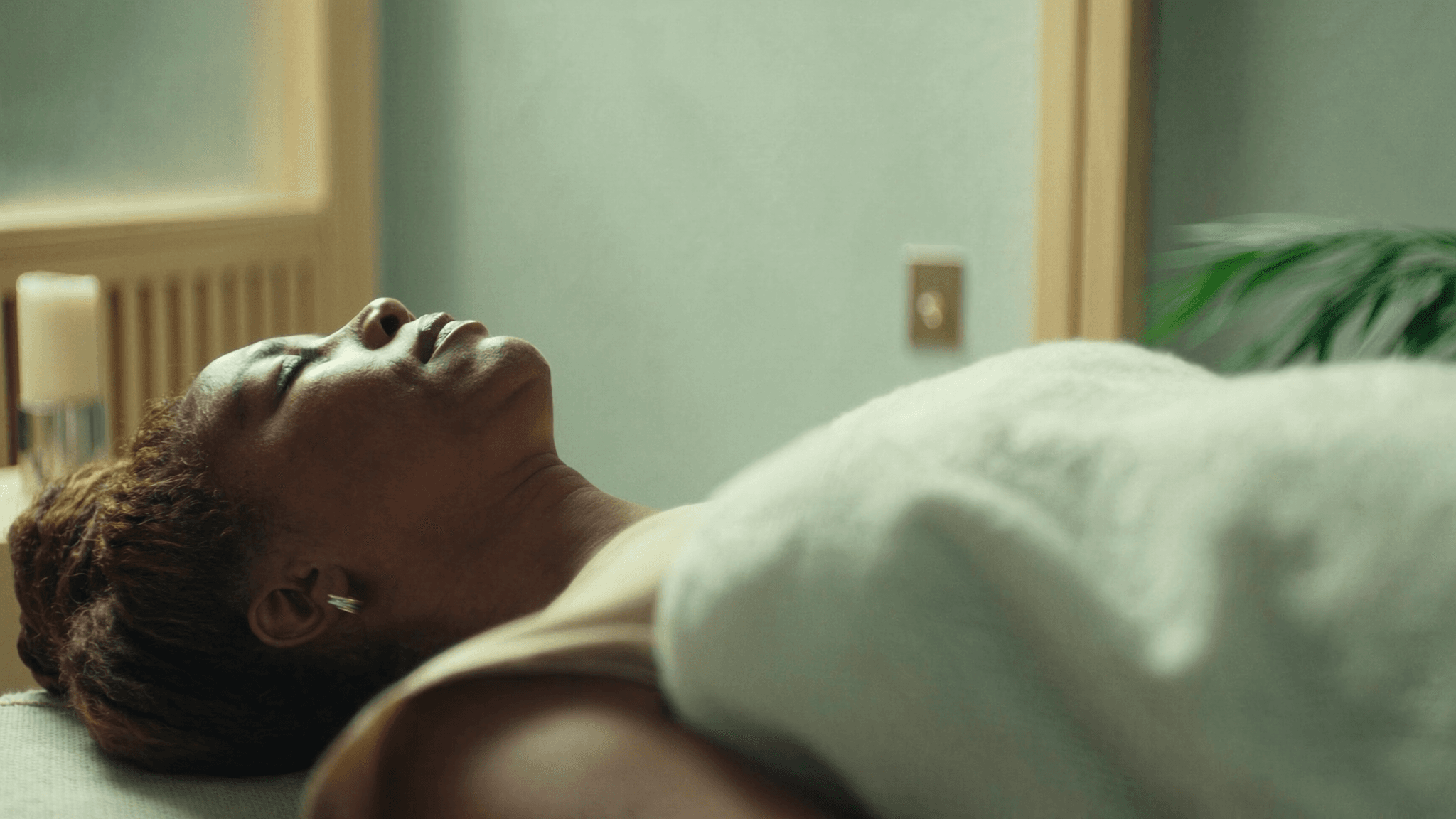
If you have ever left a busy week feeling wound up, over-stimulated and unable to switch off, you already understand why so many people are curious about reiki. So what is reiki, exactly? It is a gentle Japanese relaxation therapy in which you rest, fully clothed, while a practitioner rests their hands lightly on or just above your body. There is no massage, no pressure and nothing you have to do except lie still and let your body settle.
Reiki has a devoted following and a long history, but it also has a lot of overblown claims attached to it. This guide keeps things honest. We will look at where reiki comes from, what actually happens in a session, how it tends to feel, and what it can and cannot offer — so you can decide whether it is something you would like to try.
At A Touch of Wellness in Portishead, reiki is one of the calmer treatments we offer, and it sits comfortably alongside our hands-on therapies for anyone who simply wants an hour of deep rest.
Where reiki comes from
Reiki was developed in Japan in the 1920s by Mikao Usui. The name joins two Japanese words: "rei", often translated as universal, and "ki", the life-force energy that also gives us the "chi" in tai chi and the "qi" in qigong. The idea of a life energy running through the body is a thread that runs through many East Asian traditions, and reiki grew out of that world rather than out of Western medicine.
It is worth being clear about what that means. Reiki is a spiritual and relaxation practice with roots in early twentieth-century Japan, not a clinical treatment developed through medical research. Understanding that from the outset helps you approach it for what it genuinely is — a calming, restful experience — rather than expecting it to work like a course of physiotherapy.
What actually happens in a reiki session
A reiki session is refreshingly undemanding. You stay fully clothed and lie down on a treatment couch, or sit in a chair if lying flat is uncomfortable for you. The room is quiet and softly lit, often with gentle music. Your only job is to get comfortable and let your attention drift.
The practitioner then places their hands lightly on, or slightly above, a series of positions — often starting near the head and moving down the body. The touch is still and feather-light. There is no rubbing, kneading or manipulation of muscle, which is what sets reiki apart from a massage or from focused bodywork like trigger point therapy. Each hand position is held for a few minutes before the practitioner moves on.
Many people find the stillness itself is the point. With nothing to react to and nowhere to be, the nervous system has room to downshift. Some people stay quietly awake and aware the whole time; plenty drift into that half-asleep state you sometimes reach on a long train journey.
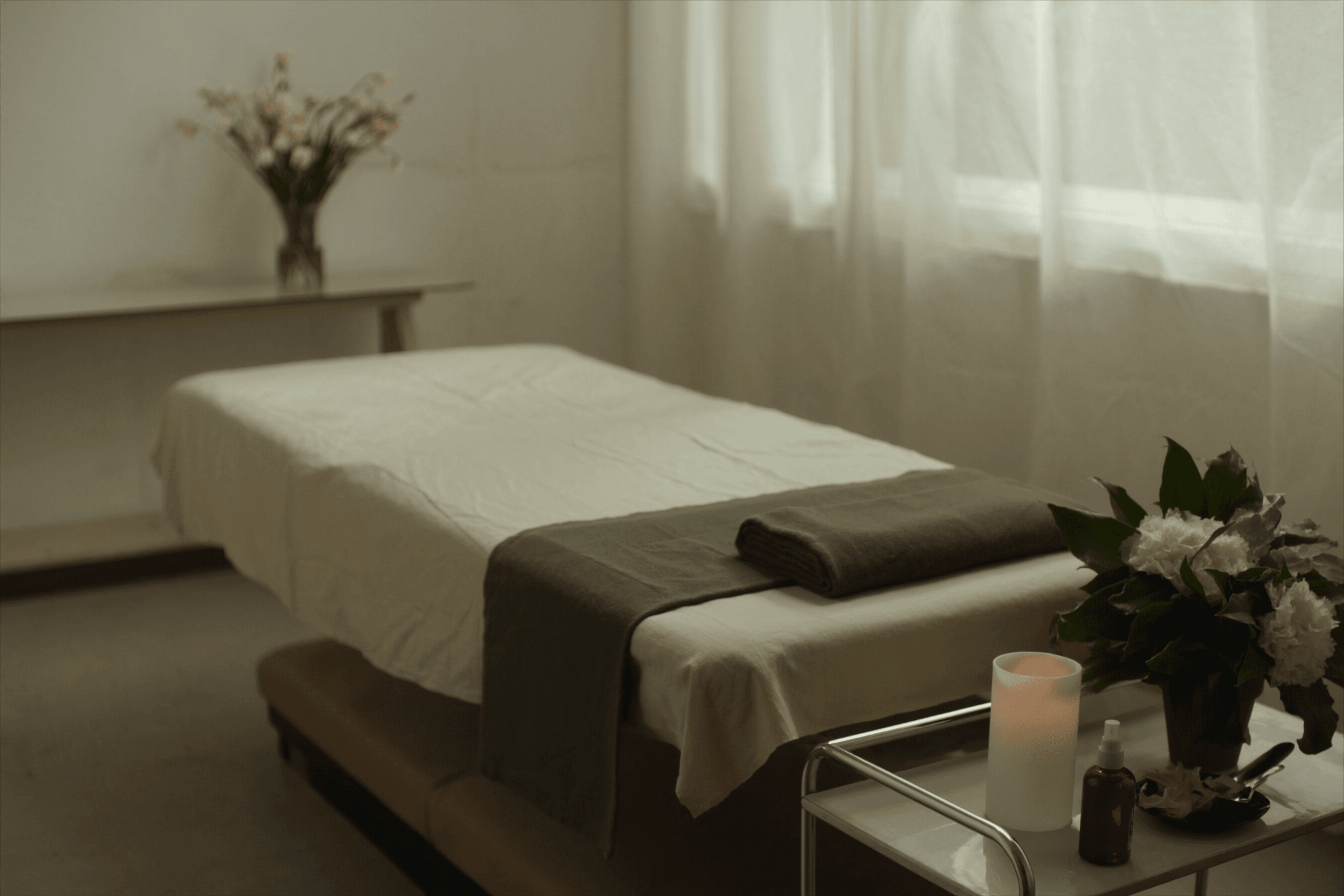
A calm, softly lit room sets the tone before a session begins.
How reiki tends to feel
People describe the sensations of reiki in different ways, and there is no "correct" experience. Commonly reported feelings include warmth spreading from the practitioner's hands, a light tingling, a heaviness in the limbs, or simply a slow, welcome sense of calm. A few people feel emotional and find their eyes prickle for no obvious reason — usually a sign of tension letting go. Others feel very little beyond being pleasantly rested, and that is completely fine too.
None of this is a test you can pass or fail. Whether you feel dramatic warmth or just enjoy a peaceful hour, you are getting what reiki is good at: a genuine chance to stop.
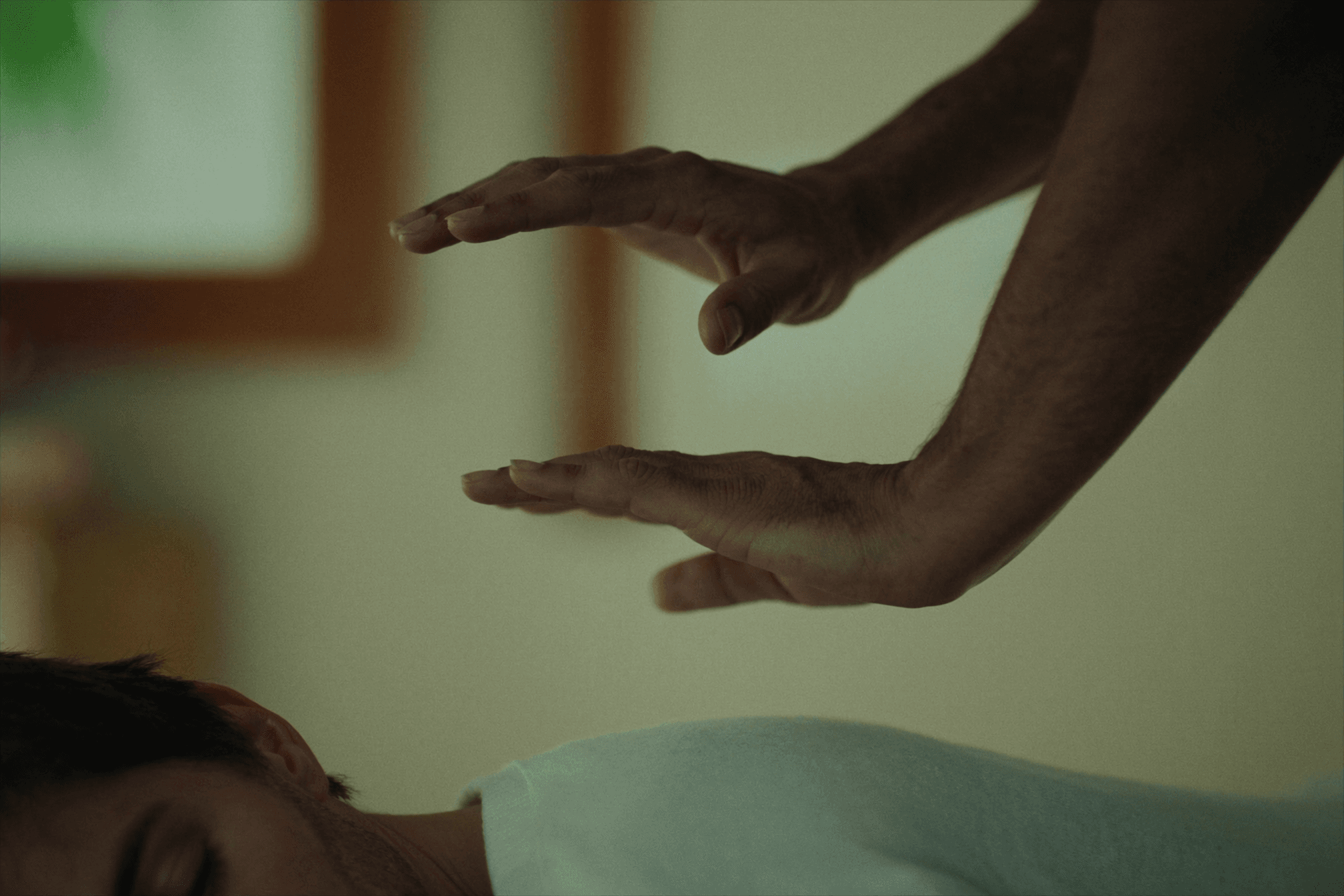
The touch in reiki is still and feather-light, with no massage or pressure.
What reiki can — and cannot — do
This is where honesty matters, because reiki is often oversold. Here is our measured view.
Reiki is not an evidence-based medical treatment. It does not cure illness, and it is not a substitute for care from your GP or any medicine you have been prescribed. Anyone promising that reiki will heal a specific condition or "fix" your body's energy is going further than the evidence supports. The scientific picture is limited and mixed, and the honest position is that reiki should be seen as a complementary relaxation therapy, used alongside — never instead of — conventional medical care.
What reiki does offer is a reliably calming experience. Many people find it deeply relaxing, and it is commonly reported to help with feelings of calm, winding down and stress relief. That relaxation is worthwhile in its own right. An hour of true rest, with no screens and no demands, is something a lot of us rarely give ourselves, and the sense of settledness it brings is the real, honest benefit on offer.
If you come to reiki hoping for a peaceful reset rather than a medical outcome, you are far more likely to come away happy. And if you have a health condition, are pregnant, or are undergoing treatment, do carry on speaking with your GP — reiki can sit gently alongside that care, not in place of it.
How reiki fits with our other treatments
Reiki works well as part of a wider approach to feeling better, and it pairs naturally with the hands-on therapies we offer. Some people book a Swedish massage to ease physical tension in the back and shoulders, then use reiki on another visit for something quieter and more meditative. If you tend to carry stress as tight, knotted muscles, our reflexology and massage guide is a good companion read for understanding the more physical side of relaxation.
There is no single "right" combination. Reiki is simply one of the gentlest options on the menu — a good choice on the days when you want to be still rather than worked on.
What to expect at A Touch of Wellness in Portishead
Reiki at A Touch of Wellness takes place in our clinic at 44a High Street in Portishead, near Bristol. It is a solo, unhurried practice, so your session is calm and private from the moment you arrive. You can read a little more about the clinic and how we work before you visit.
When you book, you will not need to do anything to prepare beyond wearing comfortable clothes. On the day, you will have a short chat about how you are feeling and anything you would like to focus on, then settle onto the couch for the session itself. Afterwards there is time to come back to yourself gently before heading out — many people like to sit for a moment rather than rushing straight into traffic.
Session lengths and current costs are listed on our pricing page, so you can choose a length that suits you. If reiki is for someone else, it also makes a thoughtful gift voucher for anyone in need of an hour of calm.
Frequently asked questions
What is reiki and how does it work?
Reiki is a gentle Japanese relaxation therapy in which a practitioner rests their hands lightly on or just above your clothed body while you lie still. Traditionally it is described in terms of channelling "life-force energy", though that is a spiritual idea rather than a scientifically established mechanism. In practical terms, what most people experience is deep rest: an hour of stillness that many find calming and restorative.
What does a reiki session feel like?
Most people describe reiki as peaceful and quietly pleasant. You may notice warmth from the practitioner's hands, a light tingling, a feeling of heaviness, or simply a slow drift into calm. Some people almost fall asleep; others stay alert and relaxed. There is no wrong way to experience it.
Is reiki safe?
Reiki is a very gentle, non-invasive therapy. It involves no pressure, no manipulation and no oils, so it is widely considered safe and suitable for most people. It should be used alongside, not instead of, conventional medical care. If you have a health condition, are pregnant, or are receiving treatment, it is sensible to keep your GP informed.
What should I wear and how should I prepare?
Wear something comfortable that you can relax in — reiki is done fully clothed, so there is nothing to remove. You do not need to prepare in any particular way. It can help to arrive a few minutes early, switch your phone off, and give yourself permission to slow down before the session begins.
How will I feel after a reiki session?
Most people feel calm and rested afterwards, sometimes a little dreamy or "unwound", much as you might after a long, deep sleep. It is a good idea to drink some water and avoid rushing straight back into a hectic schedule. Any sense of heightened relaxation usually settles into a pleasant, grounded calm over the rest of the day.
Is reiki a religion?
No. Reiki has spiritual roots in early twentieth-century Japan, but it is not a religion and it asks you to follow no particular belief. People of all faiths and none enjoy it purely as a relaxation practice. You are welcome to approach it simply as a quiet, restful hour and nothing more.
Ready to try reiki?
If a genuinely restful hour sounds like what you need, reiki is one of the easiest ways to find it — nothing to do, nothing to prove, just time to be still. It sits happily alongside our other treatments, or works perfectly well on its own.
When you are ready, you can book a reiki session online in a couple of minutes, and we will take care of the calm from there.
Get the latest news straight to your inbox
Subscribe to our newsletter to get the latest news and offers.