
Strength Training After 40: A Gentle Beginner's Guide
Violeta Puebla
1 July 2026 · 9 min read
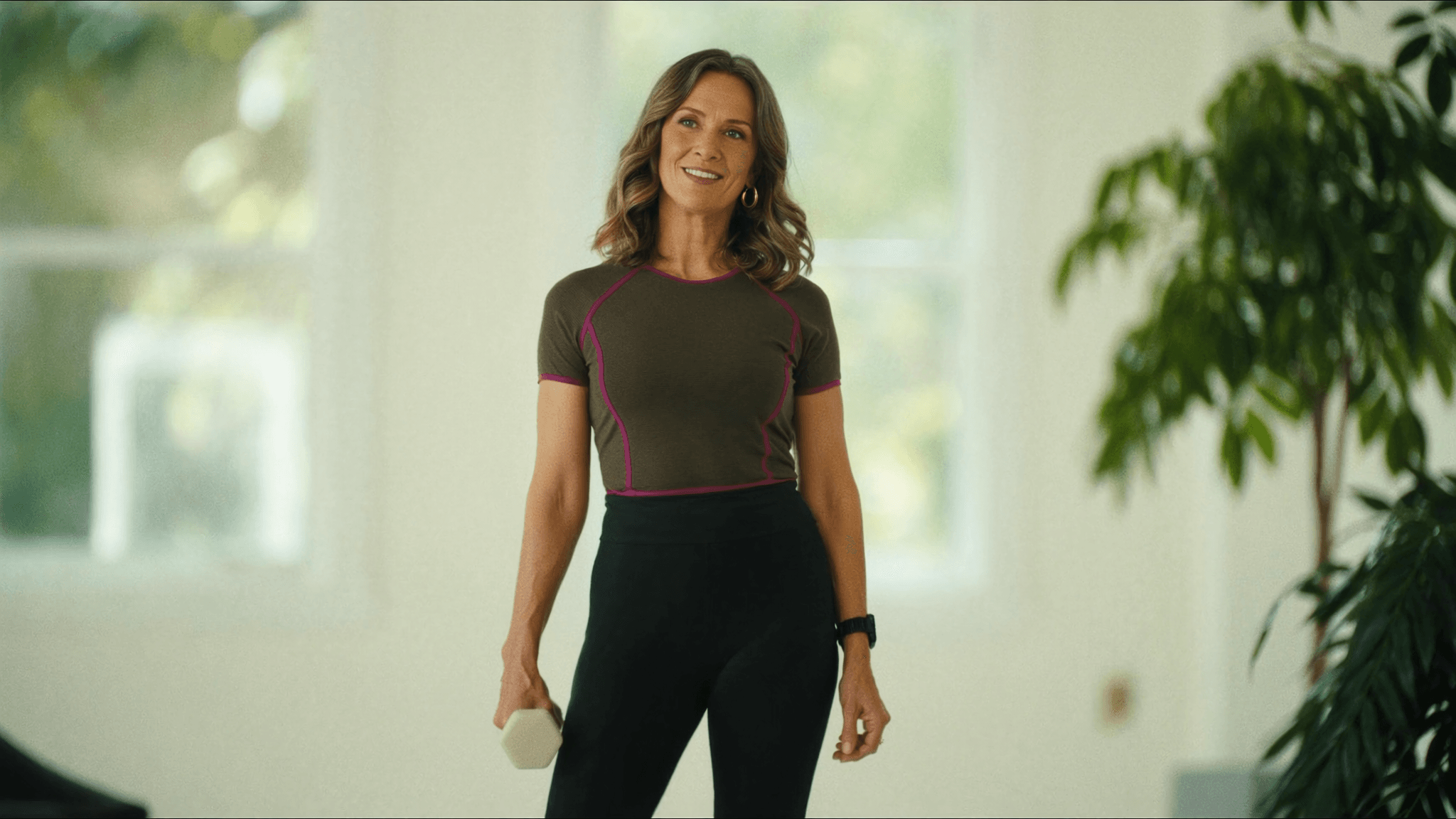
If you spend most of your week at a desk and you have noticed that your back aches by mid-afternoon, that stairs feel a little harder than they used to, or that carrying the shopping in from the car leaves you puffing, you are not imagining it. From our forties onward, the body quietly loses muscle unless we give it a reason to keep it. The good news is that strength training after 40 is one of the most reliable ways to give it that reason — and you can begin gently, at home or in a studio, without ever touching a barbell if you would rather not.
This guide is written for the person who has never lifted a weight in their life, or who did years ago and has drifted away from it. There is no pressure here to become an athlete. The aim is simpler and more useful: to help you feel stronger, move more easily through an ordinary day, and build a habit you actually enjoy. Strength training for women over 40 in particular tends to get tangled up in myths about bulking up or "being too late" — so we will clear those away as we go.
Why strength matters more as we get older
Muscle is not just about how you look. It is the tissue that lets you get out of a low chair, lift a grandchild, steady yourself when you trip, and keep your posture upright after hours at a screen. From around the age of 40, most adults gradually lose muscle mass — a natural process that speeds up if we are largely sedentary. Working from home, however convenient, often means far fewer steps and far less lifting than a busy commute and office once demanded.
Strength training works against that drift. When you ask a muscle to do a little more than it is used to, it adapts and rebuilds slightly stronger. Done regularly, this can support everyday movement, help you feel more stable on your feet, and take some of the strain off joints that have been carrying you around for four or five decades. Many people also find it lifts their mood and sleep, simply because their body feels more capable.
It is worth being clear and honest here: strength work is not a medical treatment, and it does not cure or prevent any specific condition on its own. What it can do is help you feel stronger and more resilient in daily life. That alone is reason enough to start.
Starting gently: the first few weeks
The most common mistake beginners make is doing too much, too soon, and feeling so sore afterwards that they never go back. The second is thinking that unless a session is exhausting, it "doesn't count". Neither is true. The early weeks are about teaching your body movements and building a habit, not about pushing hard.
Master the everyday movements first
Good strength training over 40 is built on a handful of natural movement patterns you already use every day:
- Squatting — standing up from and lowering onto a chair. Start by literally sitting down and standing up slowly, without using your hands.
- Hinging — bending at the hips to pick something up, keeping your back long. This is the movement that protects your lower back over a lifetime.
- Pushing — a wall press-up before you ever attempt one on the floor.
- Pulling — rows using a resistance band looped around a door handle.
- Carrying — walking a short distance holding a weight in each hand, standing tall.
Master these with your own body weight or light resistance before you add load. There is no rush.
Keep the effort honest but modest
A simple guide: by the end of a set of eight to twelve repetitions, the last two or three should feel like meaningful work, but you should never feel you are straining or holding your breath. If you cannot hold a conversation, ease off. Progress comes from adding a little each week — one more repetition, a slightly heavier tin or dumbbell — not from heroics in a single session.
Expect some mild muscle soreness a day or two after a new session; that is normal and settles as your body adapts. Sharp or joint pain is different, and a sign to stop and reassess.

Everyday movements like squatting to a chair are the foundation of safe beginner strength work.
Recovery is part of the training
Here is something the fitness world often skips: muscle does not get stronger during the session, but in the days afterwards, while it recovers. That makes rest, sleep, and gentle recovery every bit as important as the lifting itself — perhaps more so once you are over 40.
Simple things help most. Warm up with a few minutes of easy movement before you begin. Leave at least a day between sessions that work the same muscles. Drink enough, and give yourself decent sleep. If you find particular areas — the upper back, shoulders, and hips are common ones for desk workers — stay stubbornly tight, hands-on recovery can make a real difference to how you feel between sessions. A regular Swedish or deep-tissue massage is one of the gentlest ways to ease muscles that have been working harder than they are used to.
For the specific knotted, achy spots that often build up around the neck and shoulders after both desk work and new exercise, some people find trigger point therapy particularly helpful. If you would like to understand how that works, our guide to trigger point therapy for pain relief and wellbeing walks through it in plain terms. Treating your body kindly between sessions is not a luxury — it is what keeps you training consistently, which is where all the benefit comes from.
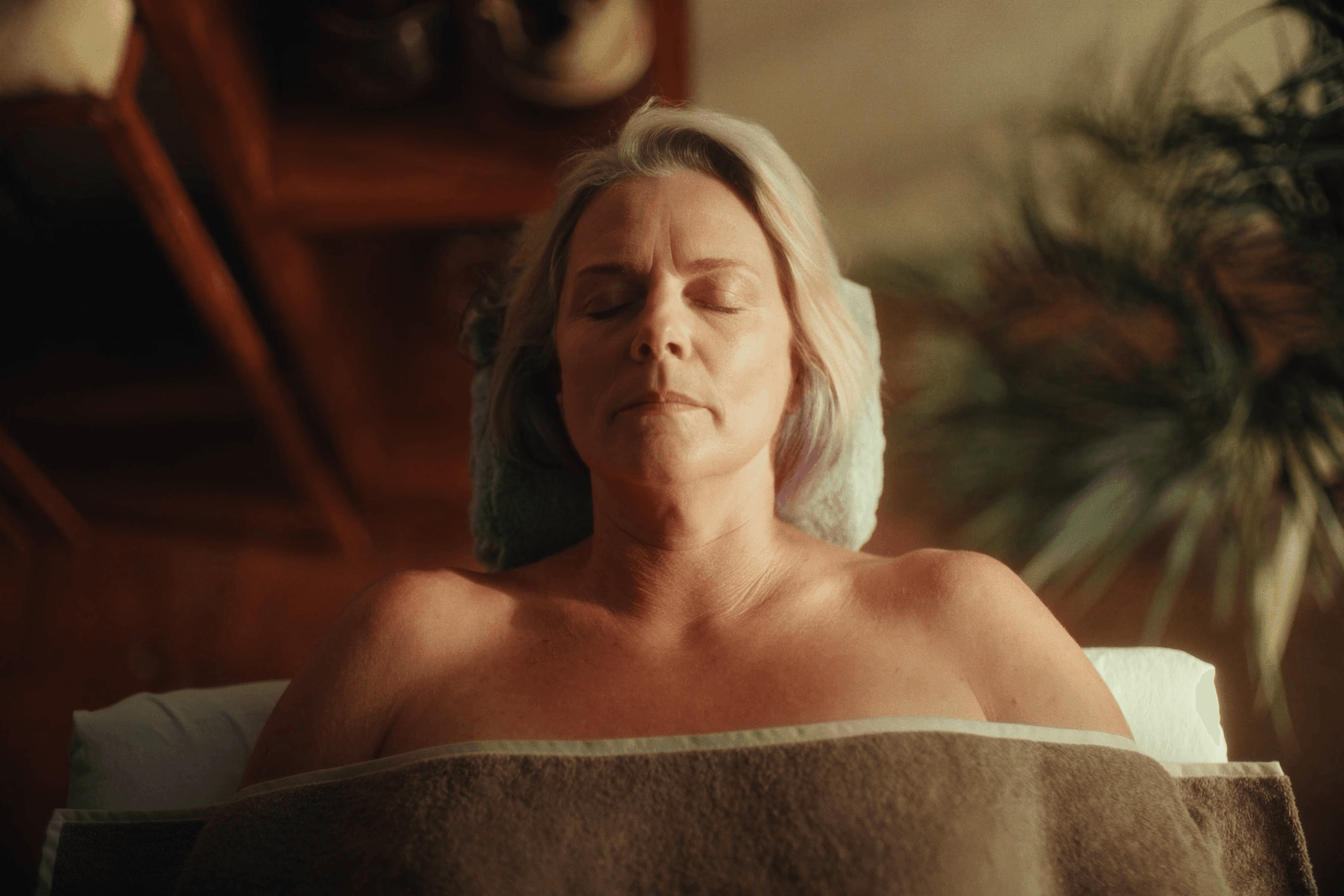
Hands-on recovery between sessions helps tired muscles feel looked after.
What to expect with personal training at A Touch of Wellness
You do not have to work all of this out alone, and for many people over 40 the reassurance of expert guidance is exactly what turns a good intention into a lasting habit. At A Touch of Wellness in Portishead, personal training is one-to-one and built entirely around you — your starting point, any old injuries, and what you actually want to be able to do, whether that is gardening without a stiff back or keeping up on a coastal walk.
A first session is unhurried. We talk through your history, look at how you move, and start with gentle, foundational exercises so you leave feeling encouraged rather than wrecked. Because the practice is a calm, private space on the High Street rather than a crowded gym, there is no self-consciousness to push through — a common relief for people who have felt out of place in a busy fitness centre. You can read more about the practice and Violeta's approach on the about page, and you will find session options and costs on the pricing page.
Many clients pair their training with the practice's massage and recovery treatments, so their body is supported as it adapts. It is a joined-up, gentle way to get stronger.
Frequently asked questions
How should you start strength training after 40?
Start with movements before you start with weights. Spend the first couple of weeks practising the basic patterns — squatting to a chair, hinging to pick things up, wall press-ups, band rows — using just your body weight or very light resistance. Keep sessions short and finish feeling like you could have done a little more. Add a small amount of load or one extra repetition each week, and build the habit before you build the intensity.
Is it too late to build muscle after 40 or 50?
Not at all. Muscle stays responsive to training throughout life, and people in their 40s, 50s, 60s and well beyond can and do get noticeably stronger. Progress may come a touch more gradually than it did at 25, and recovery matters more, but the body still adapts to sensible, consistent effort. In many ways, the later you start, the more you have to gain in everyday ease and confidence.
How many times a week should you strength train over 40?
For most beginners, two sessions a week is a realistic and effective place to start, with a rest day or two in between so the same muscles have time to recover. Two well-spaced sessions build a habit you can actually keep, and you can move to three later if you are enjoying it and recovering well. Consistency over months matters far more than any single week's total.
What are the benefits of strength training after 40?
Regular strength work can help you feel stronger and steadier for everyday tasks — carrying shopping, climbing stairs, getting up and down from the floor. Many people also notice better posture after long hours at a desk, more energy, and improved sleep and mood. It is not a medical treatment and it does not cure specific conditions, but as a way to support how your body moves and feels day to day, it is hard to beat.
Do I need a gym, or can I start at home?
You can absolutely start at home. A sturdy chair, a resistance band, and a couple of light dumbbells or even filled water bottles are enough to begin. A gym gives you more equipment as you progress, and one-to-one personal training gives you guidance, technique checks and encouragement — but neither is essential to make a real start today.
Should I check with my doctor before starting?
If you have an existing medical condition or injury, are recovering from illness or surgery, or you are unsure for any reason, please check with your GP before starting a new exercise programme. It is a sensible step, and a good trainer will always want to know about anything relevant so your sessions can be adapted safely around it.
Ready to feel stronger?
Getting started after 40 is far less daunting than it looks, especially with gentle, personalised guidance and a body that feels well looked after between sessions. If you would like a calm, judgement-free place to begin — and a plan built around your life rather than someone else's — Violeta would be glad to help. When you are ready, you can book a personal training session online in a couple of minutes.
Get the latest news straight to your inbox
Subscribe to our newsletter to get the latest news and offers.